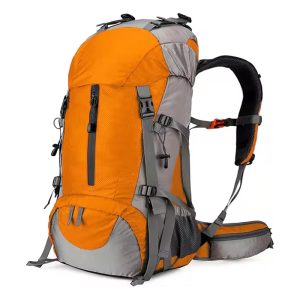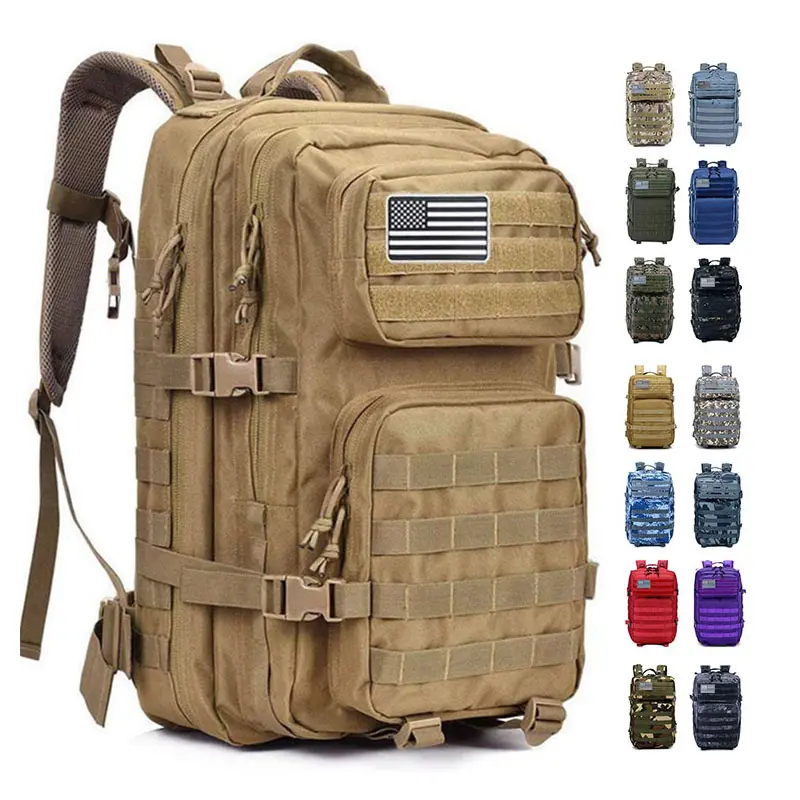
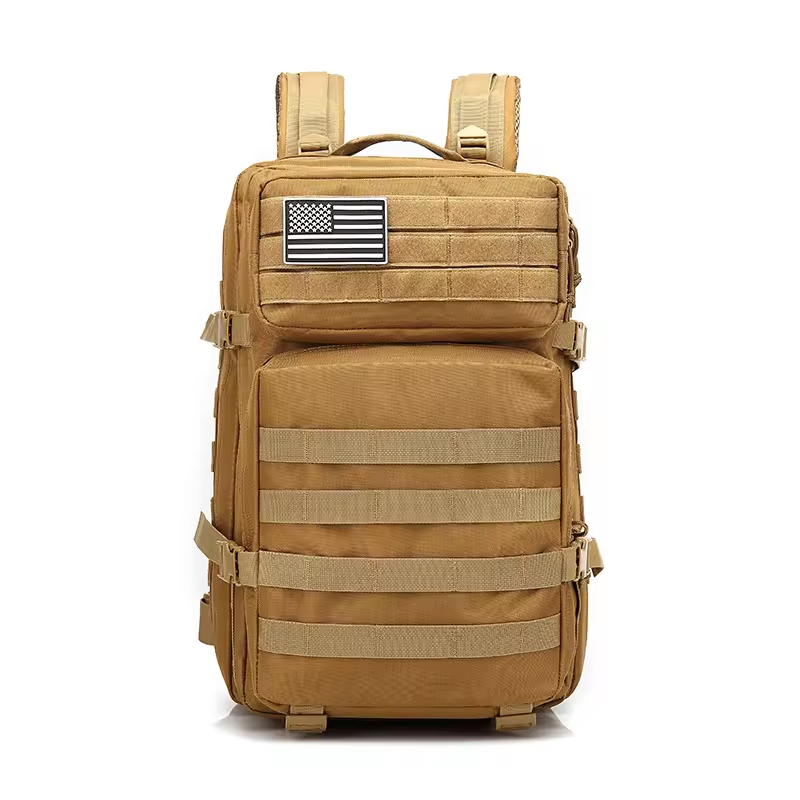
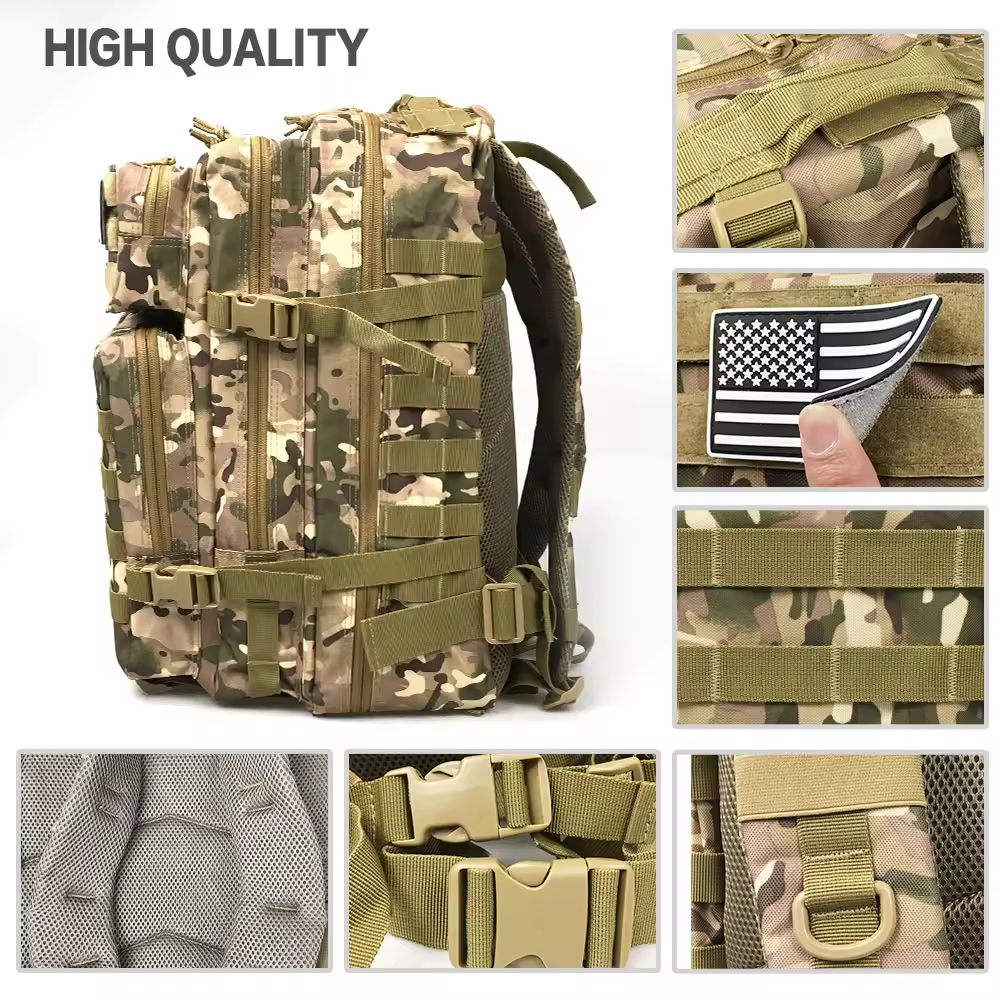
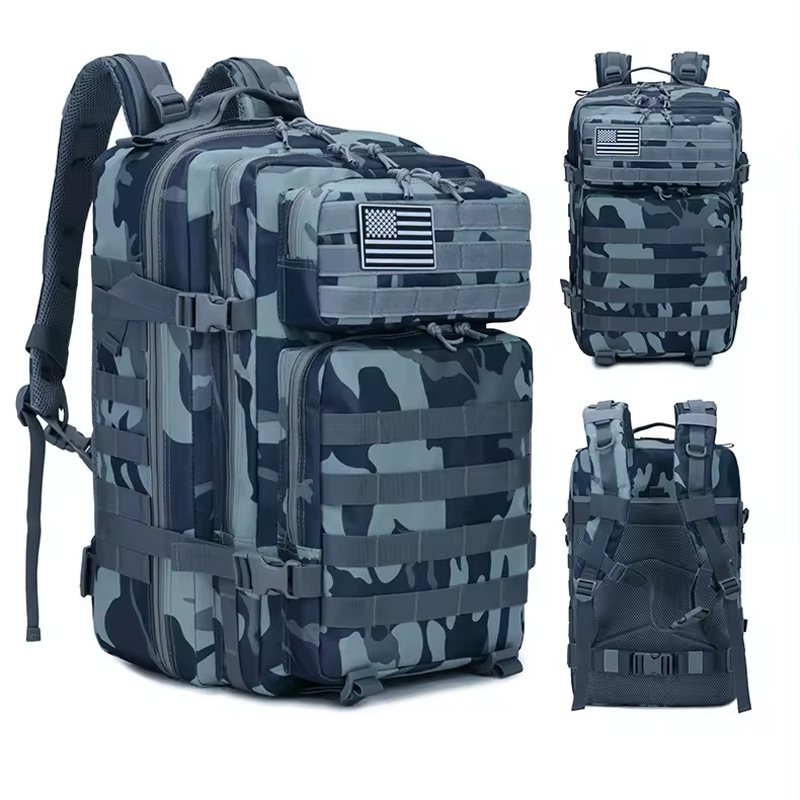
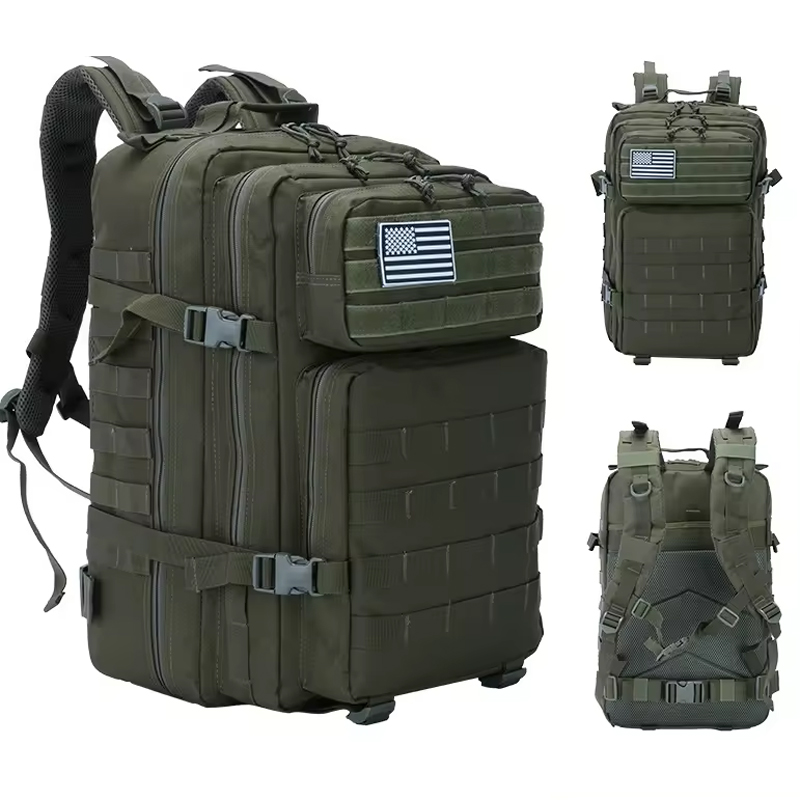
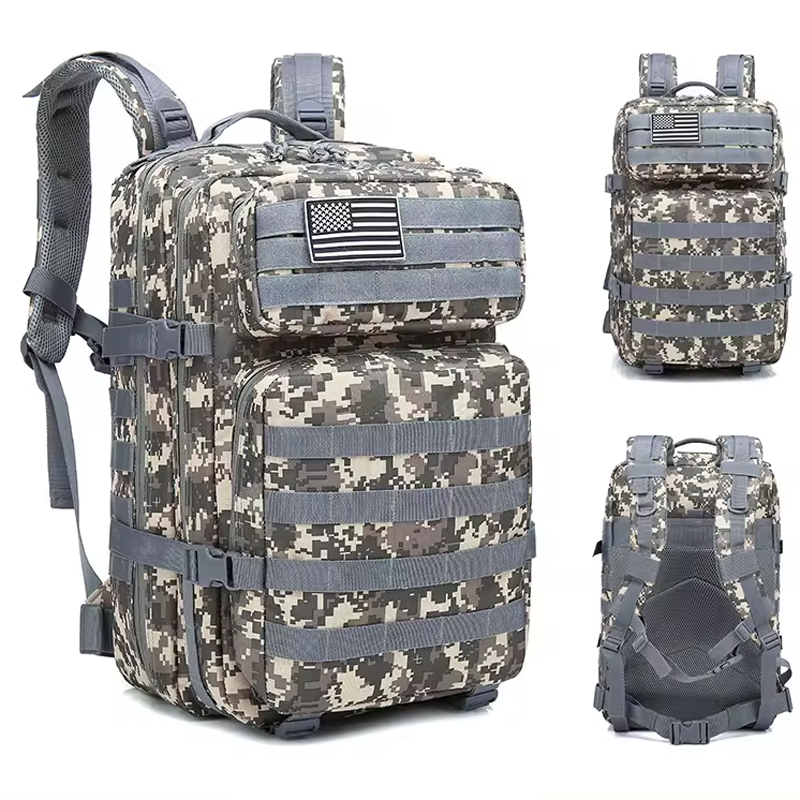
A hiking backpack, also known as a trekking backpack or outdoor pack, is a versatile and indispensable companion for hikers and outdoor enthusiasts. Designed with durability and functionality in mind, a hiking backpack offers a comfortable and efficient way to carry essential gear during hikes and treks.
Typically featuring a spacious main compartment, along with multiple pockets and compartments, a hiking backpack provides ample storage space for clothing, food, water, navigation tools, and other necessities. It often incorporates adjustable shoulder straps, a padded back panel, and a waist belt for optimal weight distribution and carrying comfort.
A hiking backpack is constructed from rugged materials that can withstand the rigors of the trail, ensuring durability and longevity. It may also include features such as hydration bladder compatibility, external attachment points for trekking poles or ice axes, and compression straps to secure and stabilize the load.
With its practical design and ergonomic features, a hiking backpack allows hikers to carry their essentials conveniently, keeping their hands free for traversing challenging terrains. Whether embarking on a day hike or a multi-day trek, a hiking backpack is an essential piece of equipment that enhances the overall hiking experience and ensures preparedness for outdoor adventures.
| Size | Custom |
| Material | Leather, Nylon, Canvas, Polyester, Polyvinyl Chloride,Fabric,Synthetic Leather, Polyethylene etc. |
| Cushion Material | Foam, Soft Fleece,Knitted Fabric, Polyester, Non-woven Fabric, Plush, Suede etc. |
| Inner Lining | Polyester, Nylon, Cotton, Polyester Lining, Fleece, Synthetic Suede, Suede etc. |
| Zipper | Metal, Nylon, Plastic, Nylon Tape, Metal Coated Nylon etc. |
| Buckle | Metal, Plastic, Coated Metal, Leather, Nylon, Wood etc. |
| Carrying Handle | Custom |
| Use | Hiking, Sport, Travel, Cycling, Trekking, Clibing etc. |
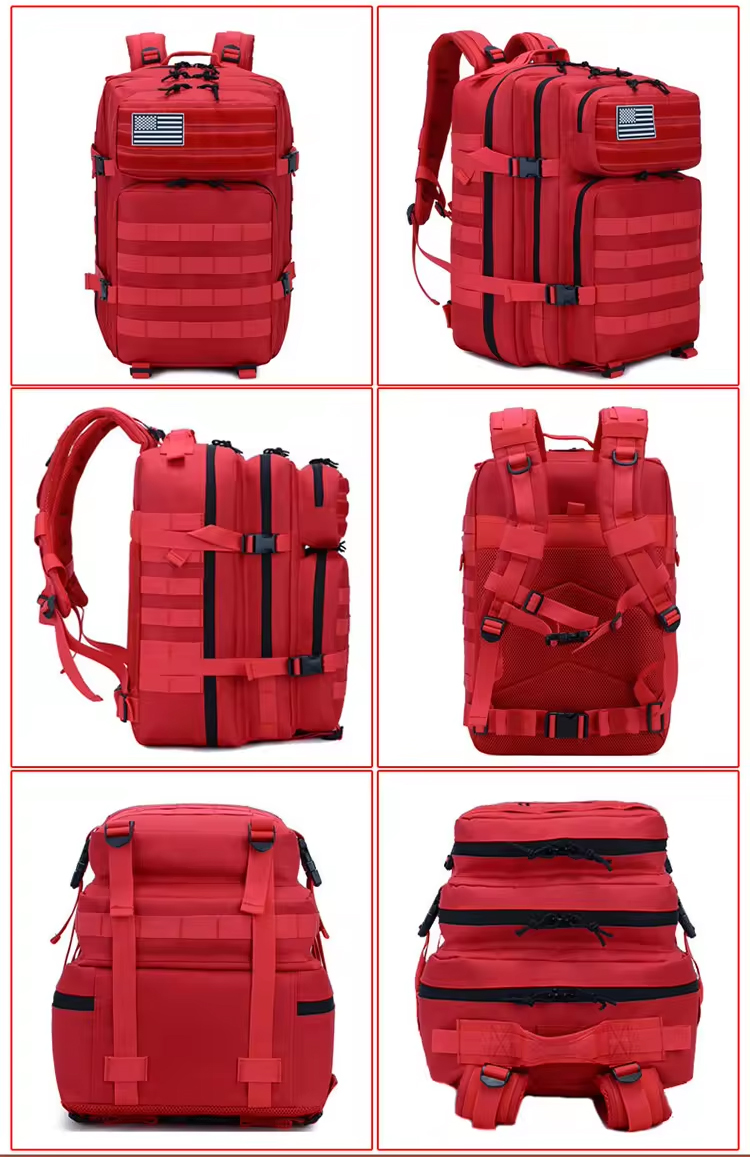
DURABILITY
The durability of a hiking backpack is a key characteristic that ensures its longevity and ability to withstand the challenges of outdoor adventures. These backpacks are built to endure the rugged conditions encountered while hiking, trekking, and climbing.
Hiking backpacks are constructed using high-quality, durable materials such as reinforced nylon or polyester fabrics. These materials are chosen for their resistance to abrasion, tearing, and punctures, making the backpacks more resilient against rough surfaces, branches, and rocks.
In addition to the sturdy outer shell, mountain backpacks often feature reinforced stitching and heavy-duty zippers, further enhancing their durability. These reinforcements prevent seams from unraveling and ensure that the backpack can withstand the stress of carrying heavy loads.
Furthermore, the design of hiking backpacks takes into account the wear and tear of outdoor activities. They are engineered to distribute weight evenly, reducing strain on individual components and minimizing the risk of damage. The attachment points, straps, and buckles are designed to withstand frequent adjustments and intense use.
By prioritizing durability, mountain backpacks offer adventurers peace of mind, knowing that their gear will remain protected even in challenging environments. Their robust construction ensures they can withstand the demands of the outdoors, making them reliable companions for countless expeditions.
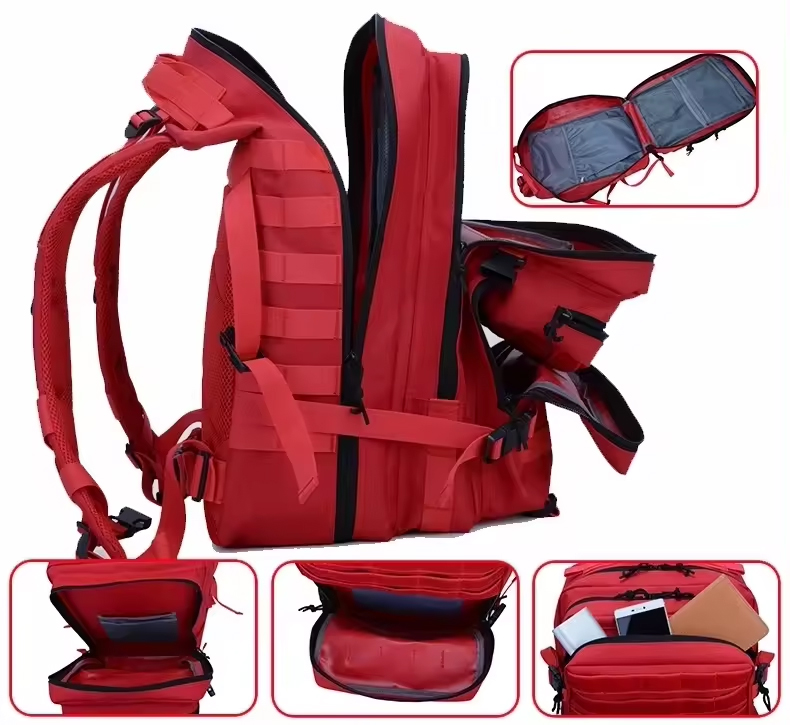
ADAPTABILITY
The adaptability of a hiking backpack is a crucial feature that caters to the diverse needs and preferences of outdoor enthusiasts. These backpacks are designed to be versatile and adjustable, ensuring a comfortable and personalized fit for different individuals and situations.
Mountain backpacks offer various adjustment options to accommodate different body types and sizes. They typically feature adjustable shoulder straps, sternum straps, and waist belts that can be modified to achieve an optimal and secure fit. This adaptability allows users to find the right balance between load distribution and stability, enhancing overall comfort during long hikes or climbs.
Moreover, mountain backpacks come with multiple attachment points, gear loops, and compression straps. These features enable users to customize the organization and configuration of their backpack based on their specific needs. Items such as trekking poles, ice axes, sleeping mats, and additional gear can be securely fastened to the backpack, ensuring easy access and efficient weight distribution.
The adaptability of hiking backpacks extends beyond physical adjustments. They often offer modular systems or removable components, allowing users to tailor the backpack to their specific requirements. This flexibility makes it possible to adapt the backpack according to the duration and nature of the outdoor activity, whether it’s a day hike or a multi-day expedition.
In summary, the adaptability of hiking backpacks ensures a comfortable and customized fit, accommodating a range of body types and preferences. Their adjustable features and customizable configurations provide users with the flexibility to adapt to different terrains, climates, and activities, making them a reliable and adaptable choice for outdoor adventures.
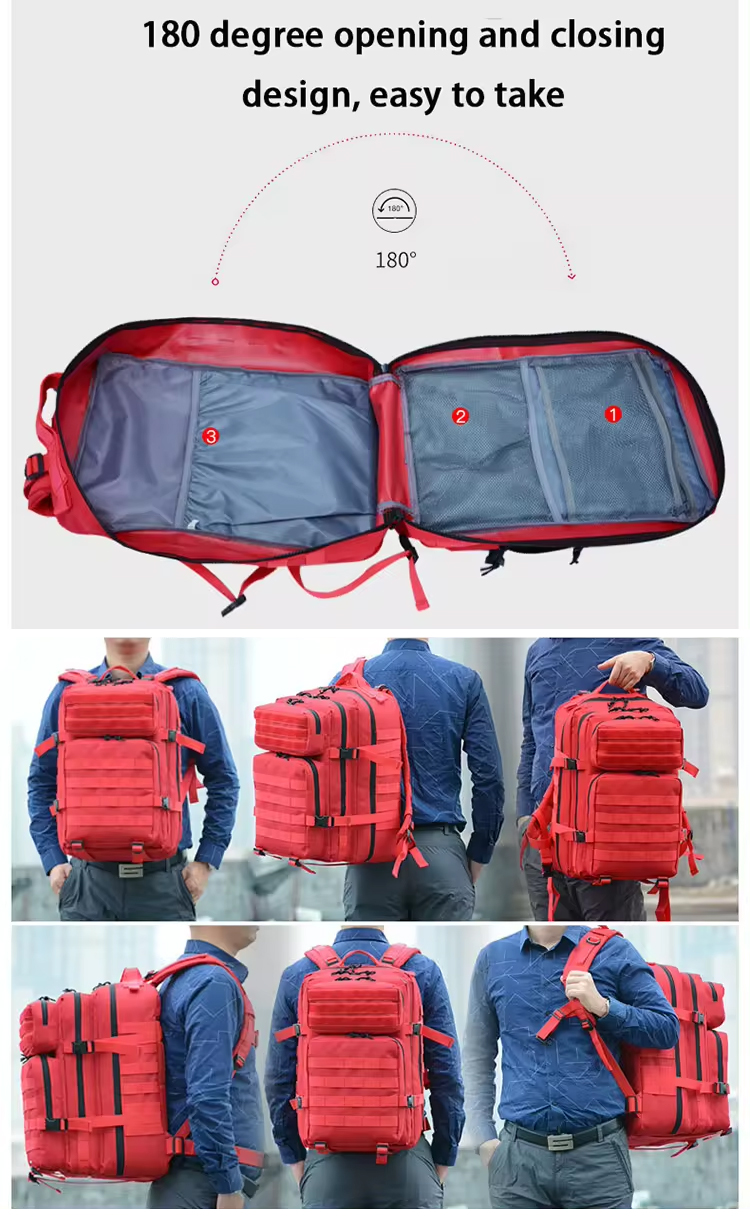
LIGHTWEIGHT
The lightweight design of hiking backpacks is a key attribute that prioritizes comfort and ease of movement during outdoor adventures. These backpacks are engineered to minimize weight while still providing ample storage and functionality.
Mountain backpacks utilize lightweight materials, such as high-performance nylon or polyester, to reduce overall weight without compromising durability. These fabrics are carefully selected for their strength-to-weight ratio, ensuring that the backpack remains robust while keeping unnecessary bulk to a minimum.
In addition to lightweight materials, mountain backpacks often incorporate innovative construction techniques and design features. This includes the strategic use of lightweight yet strong frames or suspension systems, which provide stability and support while distributing the weight evenly across the wearer’s body.
Furthermore, these backpacks feature streamlined designs that eliminate unnecessary bulk and excess features. Uncomplicated and minimalist layouts help to reduce weight while maintaining essential functionality. This allows hikers and climbers to move more freely and efficiently, particularly in challenging terrains or when navigating narrow trails.
By prioritizing lightweight design, hiking backpacks alleviate the physical strain of carrying heavy loads, allowing adventurers to enjoy their outdoor pursuits for extended periods without undue fatigue. The emphasis on lightweight materials and efficient construction makes these backpacks an ideal choice for those seeking a comfortable and agile experience in the mountains.